
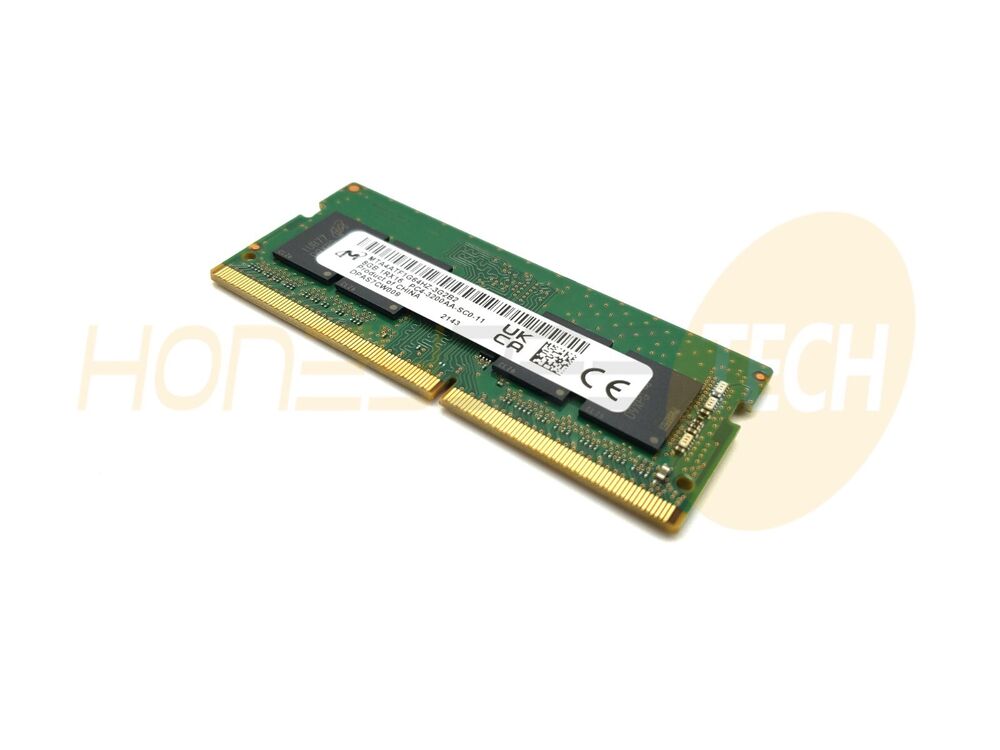

The laptop memory market is experiencing unprecedented price volatility in early 2026, with SODIMM RAM costs reaching levels not seen in years. If you've been considering a laptop upgrade or RAM expansion, you've likely noticed the sticker shock at checkout. SODIMM (Small Outline Dual In-Line Memory Module) DDR4 prices have more than doubled since late 2025, leaving consumers asking a critical question: Is now the right time to invest in RAM upgrades, or should you wait for prices to stabilize?
At Honeybee Technologies, we've been tracking these market shifts closely to provide our customers with accurate, timely information. With over five years of expertise in memory solutions and laptop components, we're here to cut through the noise and explain what's driving these price increases, what experts predict for the rest of 2026, and most importantly—what you should do about it.
Understanding SODIMM RAM and Its Market Position
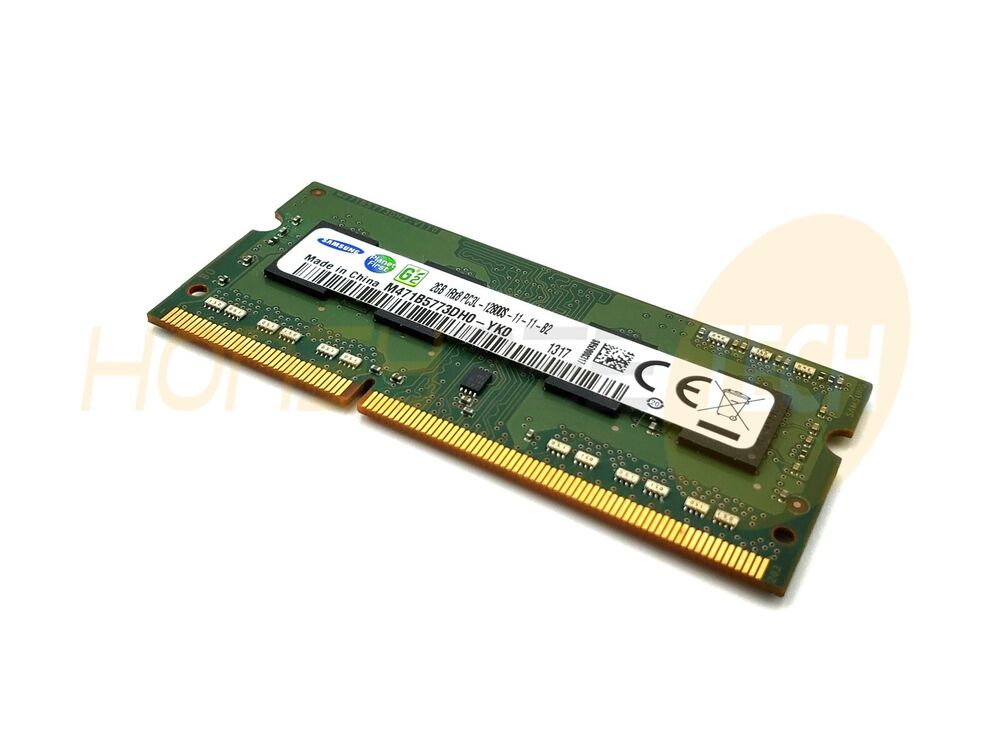
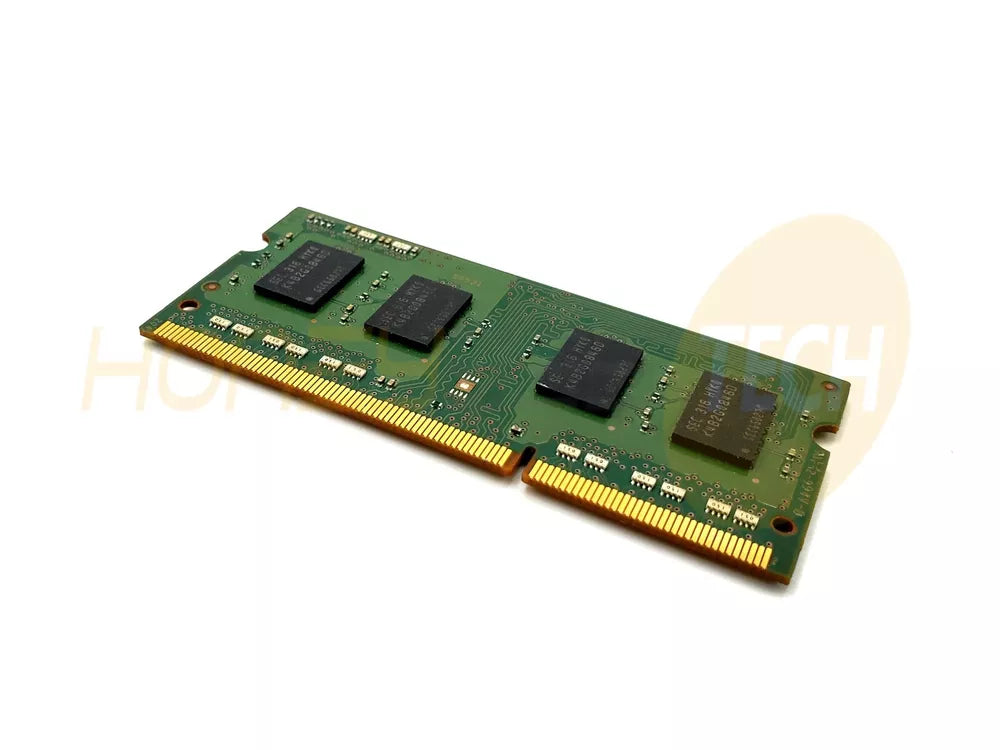
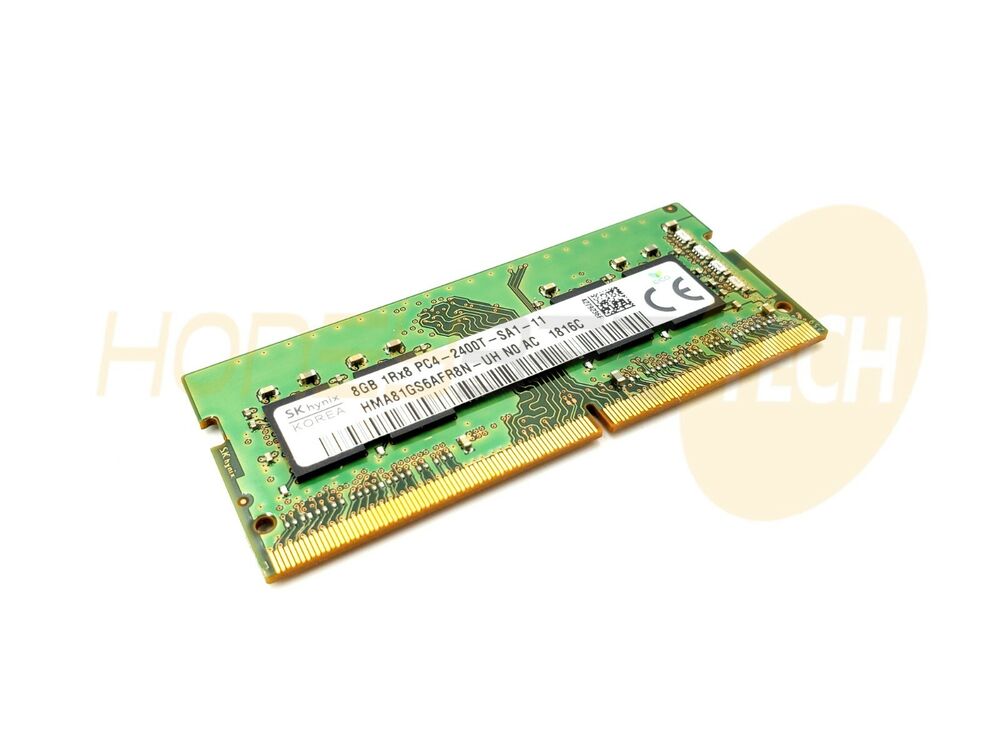
Before diving into pricing trends, let's clarify what SODIMM RAM is and why it matters. SODIMM stands for Small Outline Dual In-Line Memory Module—a compact form factor of memory that fits perfectly into laptop computers, ultrabooks, and small form factor PCs. Unlike full-sized DIMM modules used in desktop computers, SODIMM modules are approximately half the size, making them essential for devices where space is at a premium.
DDR4 SODIMM has been the standard for laptops manufactured between 2015 and 2023, with capacities ranging from 4GB to 32GB per module. Today, while DDR5 SODIMM is emerging as the next generation, DDR4 remains the workhorse for millions of laptops worldwide. This massive installed base—combined with newer supply chain disruptions—is a primary driver of current price surges.
For users looking to upgrade their laptop's performance through RAM expansion, SODIMM RAM remains the most practical and cost-effective solution compared to buying a new device. Visit our collections page for SODIMM RAM to explore compatible options for your device.
The Perfect Storm: Why SODIMM DDR4 Prices Are Surging
AI and Data Center Demand Reshaping Supply
The primary culprit behind 2026's SODIMM RAM price explosion is the explosive demand for artificial intelligence infrastructure. Data centers and cloud computing providers are hoarding high-bandwidth memory (HBM) and DDR5 modules for AI servers, fundamentally altering how DRAM manufacturers allocate their production capacity.
Major memory manufacturers—including Samsung, SK Hynix, and Micron Technology—have strategically shifted their fabrication focus toward high-margin server-grade memory and DDR5 products. This deliberate production shift leaves consumer-grade DDR4 SODIMM memory in short supply, creating what industry experts call "structural supply constraints" rather than temporary shortages.
Limited Supply + Sustained Demand = Higher Prices
According to recent market data, DDR4 SODIMM kit prices have increased by 277% to 380% since Q1 2025. A 32GB DDR4 kit that cost approximately $50 in early 2025 now commands prices between $150 and $240 in February 2026. For laptop-specific SODIMM formats, the 64GB OWC DDR4 SO-DIMM kit surged from $117 to $442—a 277% increase in just 12 months.
The supply-demand imbalance is expected to persist well into mid-2026. Supply chain analysts predict that structural tightness will continue through Q2 2026, with potential stabilization only occurring in Q3 when new fabrication capacity comes online in Arizona and Europe.
Currency Fluctuations and Logistics Challenges
Beyond AI demand and production shifts, secondary factors are amplifying price pressures. Global shipping costs have increased, and currency volatility—particularly for US-based importers and exporters—has raised the cost basis for memory retailers. These logistics and currency headwinds are unlikely to reverse in the near term.
SODIMM DDR4 Price Forecasts for 2026
Q1 2026 (Current): High Volatility
We're in the worst of it right now. Prices are volatile, retailers are adjusting inventory rapidly, and panic buying has created artificial scarcity in some markets. Current pricing for quality SODIMM DDR4 modules reflects peak demand and minimal supply.
Q2 2026: Stabilization Phase
Industry forecasts suggest that by Q2 2026, prices will plateau as initial panic buying subsides. While dramatic reductions are unlikely, we can expect prices to stabilize in the $150-$200 range for 32GB kits, slightly below current peak levels.
Q3-Q4 2026: Potential Correction
The real opportunity emerges in Q3 2026. New DRAM production facilities in Arizona and Europe are scheduled to come online, specifically targeting consumer DDR5 supply. As these facilities ramp production, market pressures should ease, and prices may decline 15-25% from current levels.
However, experts warn that we won't see a return to 2025's rock-bottom prices. The consensus "new normal" for 32GB DDR4 kits is expected to stabilize around $100-$120 by late 2026—still double the early 2025 price floor, but significantly lower than current peaks.
Should You Buy SODIMM RAM Now or Wait?
This is the question keeping consumers awake at night. The answer depends on your specific situation.
Buy Now If:
Your laptop is struggling with performance. If you're experiencing lag, slow multitasking, or video editing stutters due to insufficient RAM, the productivity gains from upgrading justify the current price premium. Waiting 6-9 months means continuing to suffer reduced productivity—a cost that likely exceeds the price difference.
You need to stay competitive professionally. Freelancers, content creators, and business professionals whose income depends on fast computing should prioritize upgrading now. The efficiency gains directly translate to earnings.
Your laptop is already 3+ years old. Older systems with 4GB or 8GB of RAM are becoming increasingly inadequate for modern applications. The urgency to upgrade is high, and waiting risks your device becoming completely obsolete for current software requirements.
You have the budget and can absorb the cost. If the expense won't strain your finances, purchasing now eliminates the anxiety of watching prices fluctuate and ensures your system is optimized immediately.
Wait Until Q2-Q3 2026 If:
Your laptop is adequately performing with current RAM. If your 8GB or 16GB configuration handles your workload without bottlenecks, waiting 4-6 months will save you $30-$50 per module.
You're on a tight budget. Every dollar counts for students and budget-conscious users. The price relief expected in Q3 2026 could reduce a 32GB kit from $200 to $160—meaningful savings for many households.
You're considering a DDR5 upgrade. If you're flexible on timing, waiting for new DDR5 SODIMM supply to increase could offer better long-term value. DDR5's higher speeds and bandwidth provide superior performance for future applications.
You can optimize performance through other means. Adding an SSD or upgrading to a faster storage solution often provides better performance-per-dollar than RAM in many scenarios.
How to Choose the Right SODIMM RAM for Your Laptop
If you've decided to upgrade now, selecting compatible memory is critical. Not all SODIMM modules work with all laptops—compatibility depends on your system's motherboard specifications.
Check Your Laptop's Maximum Supported Capacity. Most modern laptops support a maximum of 16GB, 32GB, or 64GB per slot. Consult your manufacturer's support documentation—typically available on Dell, HP, Lenovo, or your device maker's website.
Verify DDR Speed Compatibility. DDR4 SODIMM modules commonly operate at 2133 MT/s, 2400 MT/s, 2666 MT/s, 3000 MT/s, or 3200 MT/s. Your laptop will run memory at the lowest speed installed, so matching existing modules is ideal. Check your system's BIOS or documentation for supported speeds.
Prioritize Reputable Brands. Samsung, SK Hynix, Corsair, G.Skill, Kingston, and Crucial are established manufacturers with excellent reliability records. Budget brands may save $10-$20 per module, but the reliability risk isn't worth the savings.
Consider Dual-Rank vs. Single-Rank Modules. Dual-rank 16GB and 32GB modules provide better memory controller performance than single-rank designs. When possible, opt for dual-rank configurations for improved multitasking responsiveness.
Match Your Existing Module If Possible. When upgrading from 8GB to 16GB, identify your existing module's manufacturer and speed. Mixing different brands or speeds can occasionally cause compatibility issues, though modern systems are more forgiving than older platforms.
Our comprehensive SODIMM RAM collection at Honeybee Technologies features pre-verified compatible modules for popular laptop models, eliminating guesswork during the selection process.
FAQs: SODIMM RAM, DDR4, and 2026 Pricing
Q: What's the difference between SODIMM and regular DIMM RAM?
A: SODIMM modules are physically smaller (2.67 inches vs. 5.25 inches) and designed for space-constrained devices like laptops. DIMM modules fit only in desktop computers. They're electrically and functionally similar, but form factor is the key difference.
Q: Is DDR4 SODIMM becoming obsolete?
A: DDR4 SODIMM isn't becoming obsolete in 2026, though DDR5 is gradually replacing it. The massive installed base of DDR4-compatible laptops (manufactured 2015-2023) ensures demand will remain strong through 2028. However, new laptops increasingly default to DDR5.
Q: Can I use a DDR5 SODIMM module in a DDR4 laptop?
A: No. DDR4 and DDR5 are electrically incompatible. A DDR5 module will not fit into a DDR4 slot due to different notch positions. Always verify your laptop's memory type before purchasing.
Q: Will SODIMM RAM prices drop below $100 per 16GB kit in 2026?
A: Unlikely. Industry consensus suggests a "new normal" of $100-$120 per 32GB kit by late 2026. For 16GB modules, expect prices between $50-$80, well above 2025 lows but below current peaks.
Q: Is it worth upgrading to DDR5 SODIMM now?
A: Only if you're buying a new DDR5-compatible laptop or system. Retrofitting DDR5 into older systems isn't an option. DDR5 prices are currently even higher than DDR4, so the cost-benefit for general users remains poor in Q1 2026.
Q: How long will my SODIMM RAM module last?
A: Quality SODIMM modules typically last 10-15 years with no degradation. Memory doesn't "wear out" like storage drives. Your limiting factor will be technological obsolescence (e.g., your laptop model being discontinued), not the RAM module itself.
Q: Should I buy SODIMM RAM in bulk if I'm reselling or building systems?
A: If you're a system integrator or reseller, current high prices mean thin margins. Consider securing quantity discounts with Honeybee Technologies through our B2B partnerships. Contact our sales team for bulk pricing on compatible SODIMM RAM configurations.
Q: What's the difference between 1Rx8 and 2Rx8 SODIMM modules?
A: These refer to rank configuration. 2Rx8 (dual-rank) modules distribute data across two separate banks, improving memory controller efficiency and multitasking performance. 1Rx8 (single-rank) is simpler but offers slightly lower performance. For laptops with limited slots, dual-rank modules maximize capacity and performance.
Conclusion
SODIMM RAM prices are genuinely surging in 2026, and the reasons are concrete—AI demand, production shifts, and supply constraints are real market dynamics, not temporary fluctuations. However, this doesn't mean you should panic-buy at any cost.
If your laptop is underperforming, the productivity gains from upgrading now likely justify the 20-30% price premium over Q3 2026 prices. The cost of inefficiency and frustration compounds daily. Conversely, if your system is performing adequately, waiting until Q2-Q3 2026 will save you meaningful money with only modest additional patience required.
The critical insight is that prices won't return to 2025 lows—ever. The structural shifts in DRAM manufacturing toward AI and server applications represent permanent changes to the memory market. The "new normal" will be approximately double 2025 levels. With this reality in mind, purchasing in Q2-Q3 2026 represents a sensible compromise: prices will have stabilized below current peaks, supply will be more reliable, and you'll avoid peak volatility.
At Honeybee Technologies, we're committed to helping you navigate this complex market. Our team of memory experts—with over five years of experience in laptop upgrades and component selection—can help you determine the optimal upgrade path for your specific device and budget. Explore compatible SODIMM modules for your laptop on our SODIMM RAM collections page, or visit our homepage to learn more about our full range of laptop components and upgrade services.
Honeybee Technologies
- Address: 499 Plaza Drive, STE C Atlanta, GA 30349
- Email: orders@honeybee-technologies.com
- Phone: (404) 549-7871
We're here to answer your questions about SODIMM RAM, DDR4 compatibility, and 2026 upgrade strategies. Reach out to our team today for personalized upgrade recommendations tailored to your specific laptop model and budget.